This post is the beginning of a larger series of articles on my blog. Something that I had my eye on since the first information from ST Microelectronics came into my hands. We’ve got a new series of microcontrollers—and not just any!
The STM32U5 microcontroller family
The new family has three core features:
- Ultra-low power consumption
- Very high performance
- Built-in advanced security features
By combining these 3 ingredients—like Professor Atomus—we get the STM32U5 microcontroller family.
We get a microcontroller with a serious core: Cortex-M33. This core is very welcome in IoT, smart, wearables, or personal medical devices. Why?
The Cortex-M33 core has implemented TrustZone®, which in short—allows for isolation of secrets. All private keys and other important data that should not leak outside the device. An example of such a device with private keys could be a cryptocurrency wallet.
Alongside TrustZone® we also deal with “Secure Peripherals” and “Secure DMA“. There’s quite a lot of it.
Additionally, ST equipped STM32U5 with other security features such as:
- AES and PKA encryption
- A secure storage area with a Hardware Unique Key
- Active intrusion detection in the device (tamper detection). Ability to wipe secrets after detecting an intrusion. It can detect both external attacks (on pins) and internal attacks (e.g., on the LSE/RTC clock, temperature, VBAT/Vcore/VREF+ voltage, SWD/JTAG)
- Hardware security compliant with PSA and SESIP at level 3
- Secure Boot
And what about performance?
The core can run up to 160 MHz. Quite a lot, but it still doesn’t say that much. There is something called a Coremark score, which takes overall performance into account. Against other low-power MCUs from ST, the U5 family looks very good.
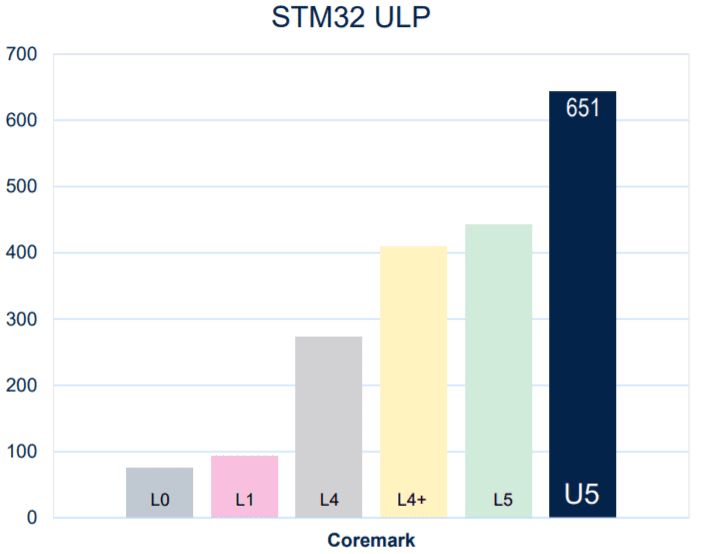
This looks really nice, but how does it compare to other cores? For example compared to the typically high-performance ones? ST doesn’t brag about such a comparison, and it should. I gathered data from websites and presentations and here’s the result.
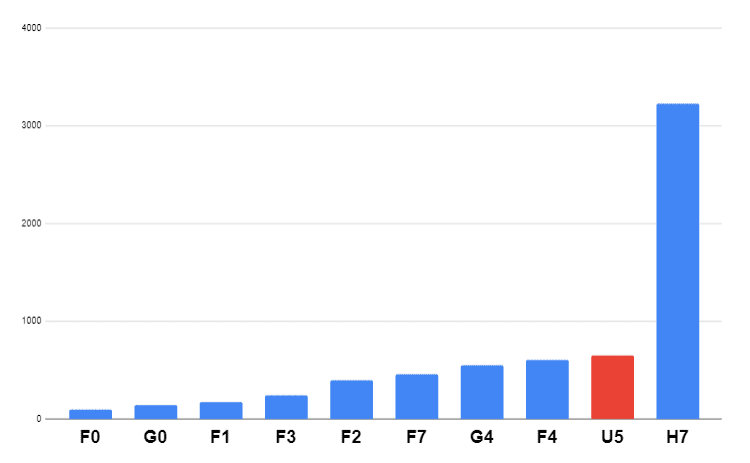
As we can see—it’s good. This means the U5 is really powerful. The H7 pulls ahead, but that’s a typical High-Performance series. There are no compromises on power consumption there.
You can also see this in the available peripherals in STM32U5. We have goodies such as:
- ART Accelerator
- Chrom-ART Accelerator
- Camera Incterface
- CORDIC co-processor
- Digital and audio filters
- Filter Mathematical Accelerator
There are quite a few things related to multimedia and signal processing. What can this be useful for? IoT and artificial intelligence. Such a microcontroller can successfully recognize images or sounds. And at a decent pace.
Evaluation kits with STM32U5
To start, we got two boards on which we can prototype our applications.
The first is the Discovery B-U585I-IOT02A kit with the STM32U585AII6Q microcontroller. This one is worth paying the most attention to, because it offers huge possibilities.
First of all, ST finally ditched the inconvenient plastic blisters. The new STM32U5 boards come in cardboard boxes.
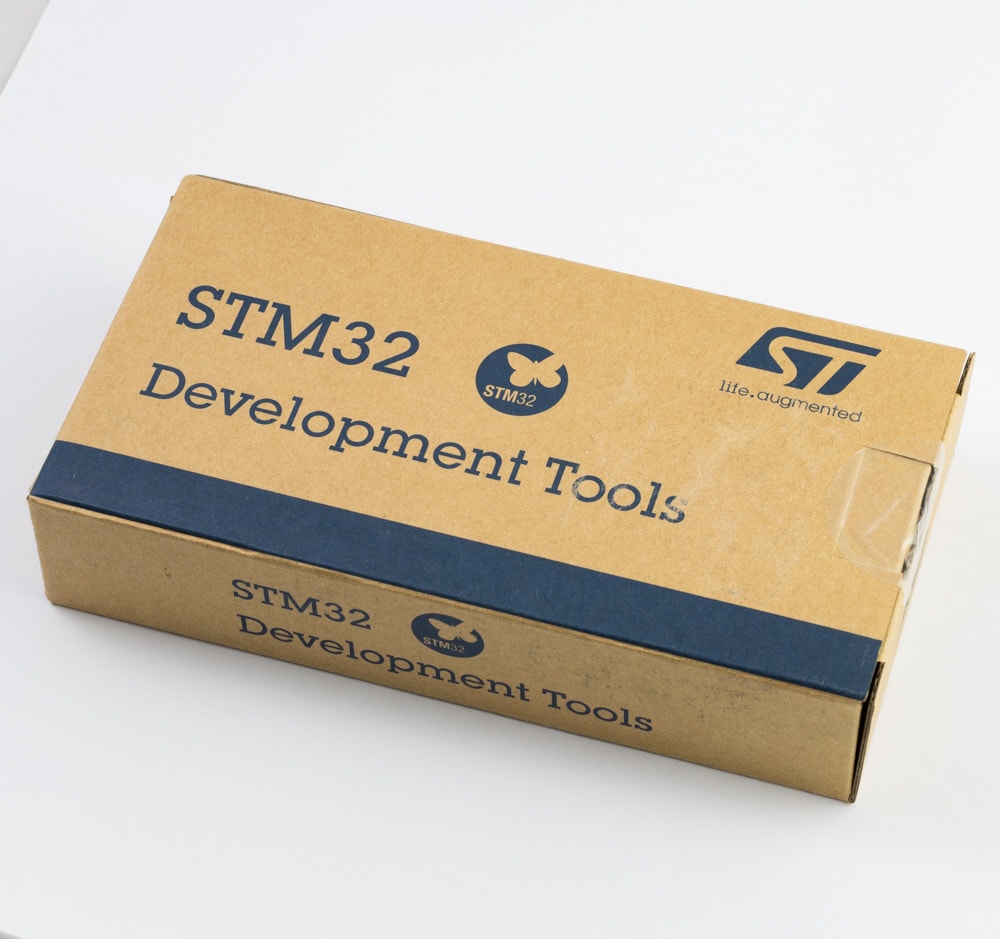
After taking it out of the package, the board is packed in special reusable ESD film. After removing the kit, we get a view like this.
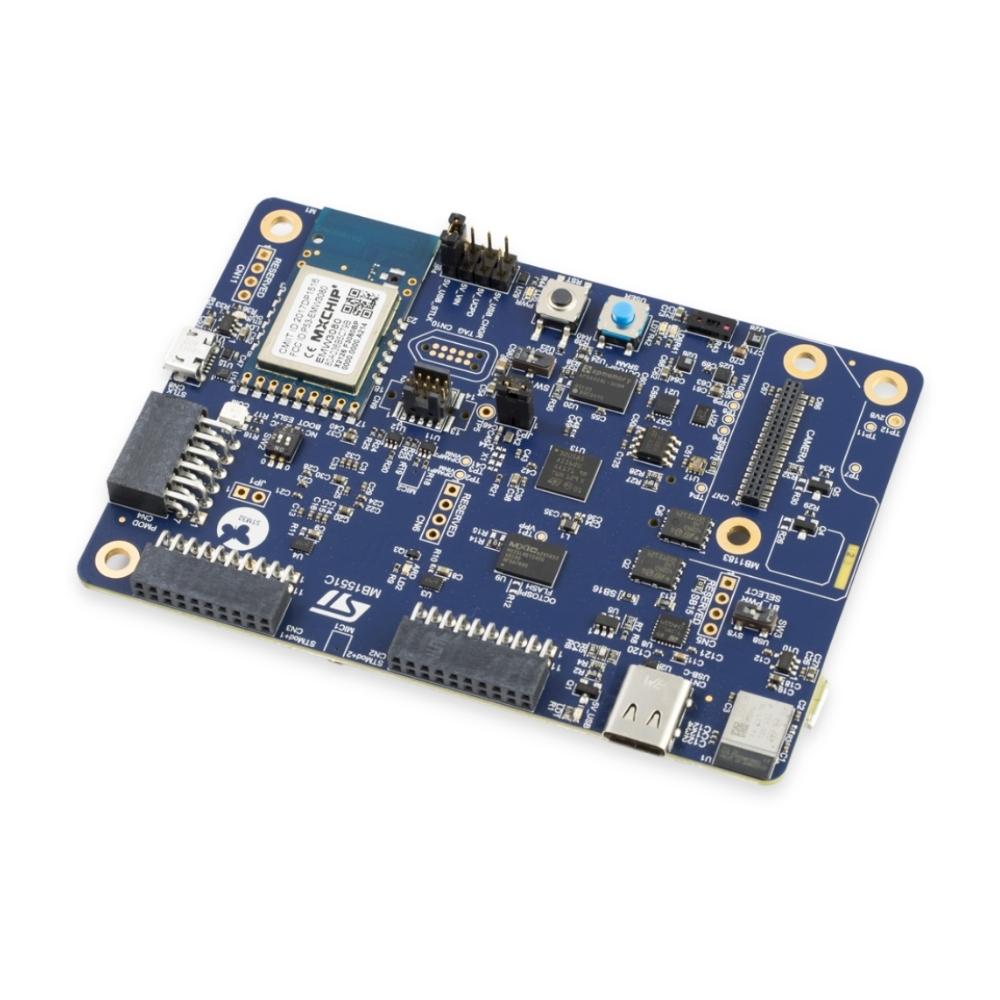
On the Discovery, there’s so much that you can get lost. What’s more! You can also miss some chips. While taking photos of them, I checked the schematic to see whether I found everything. Let’s go through what we have available, step by step.

First of all, the microcontroller. One of the more capable chips from the STM32U5 family is installed here.
We have as much as 2 MB of Flash memory, 784 kB SRAM, and 2 kB Backup SRAM.
The core can be clocked up to 160 MHz.
In terms of peripherals, we have everything needed and the best of it. SDMMC, 3x SPI, 4x I2C, 1x CAN, 2x OctoSPI, 3x USART, 1x LPUART, Camera Interface.
For signal processing: digital and audio filters, CORDIC coprocessor, and FMAC (Filter Mathematical Accelerator).
Of course, security elements couldn’t be missing: TRNG, AES, PKA, HASG, on-the-fly decryption over Octo SPI, CRC
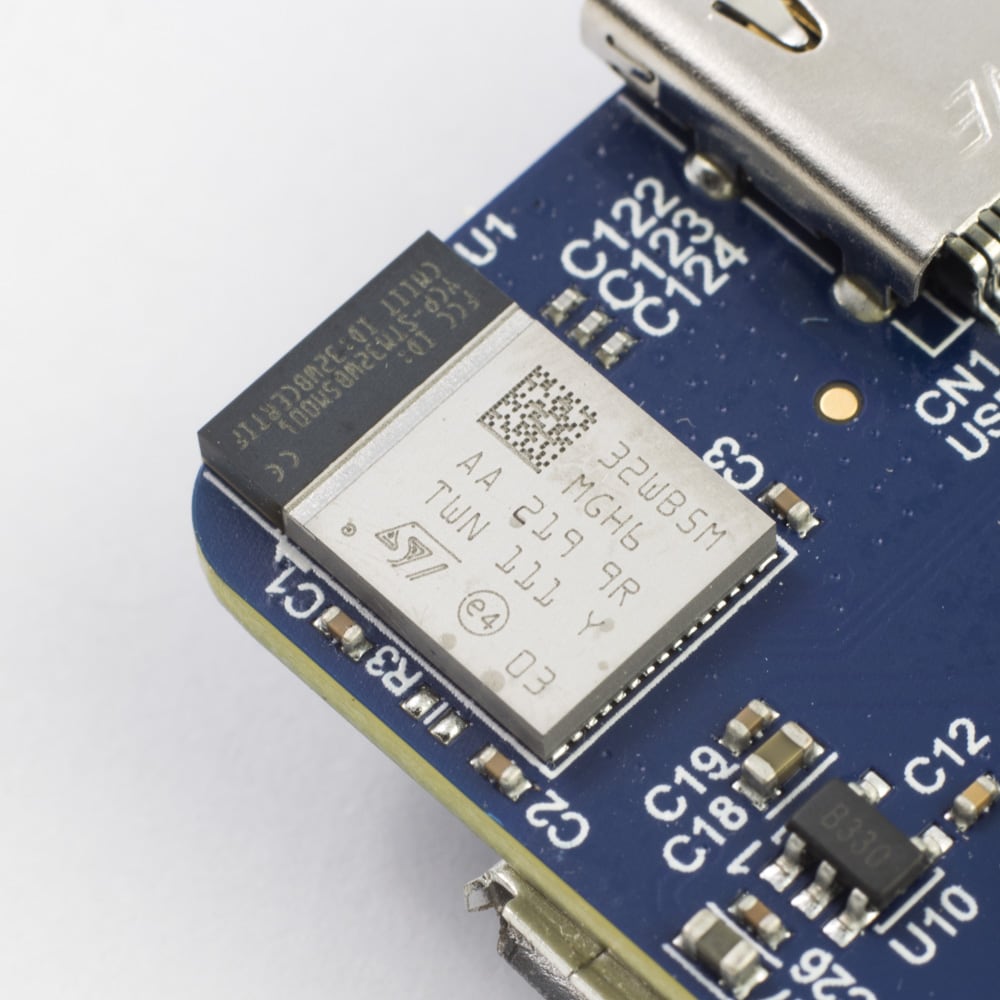
We have a Bluetooth Low Energy module available. This is no ordinary module! It’s another STM32WB55 microcontroller, which has built-in BLE communication.
It was packaged in a convenient module together with an appropriate antenna path.
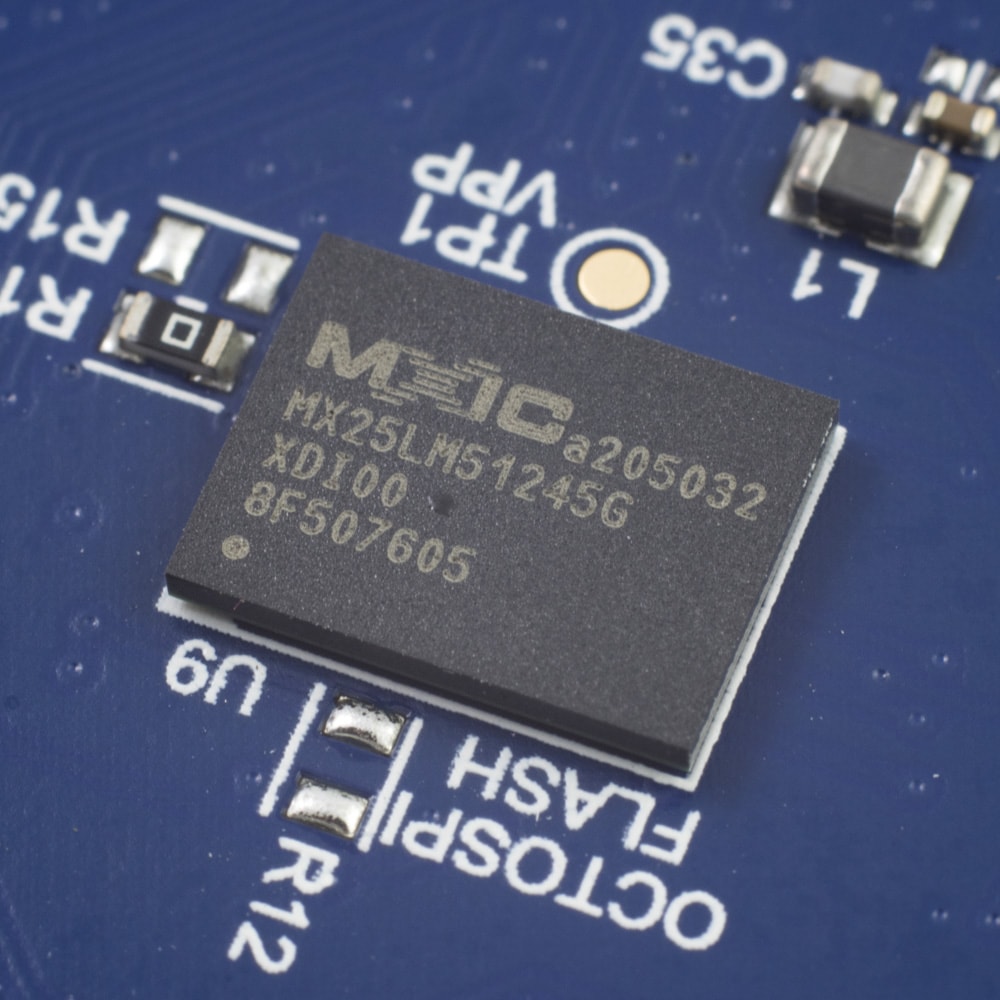
We have 3 types of external memory. 512 Mbit Flash and 64 Mbit SRAM connected using the Octo SPI interface.
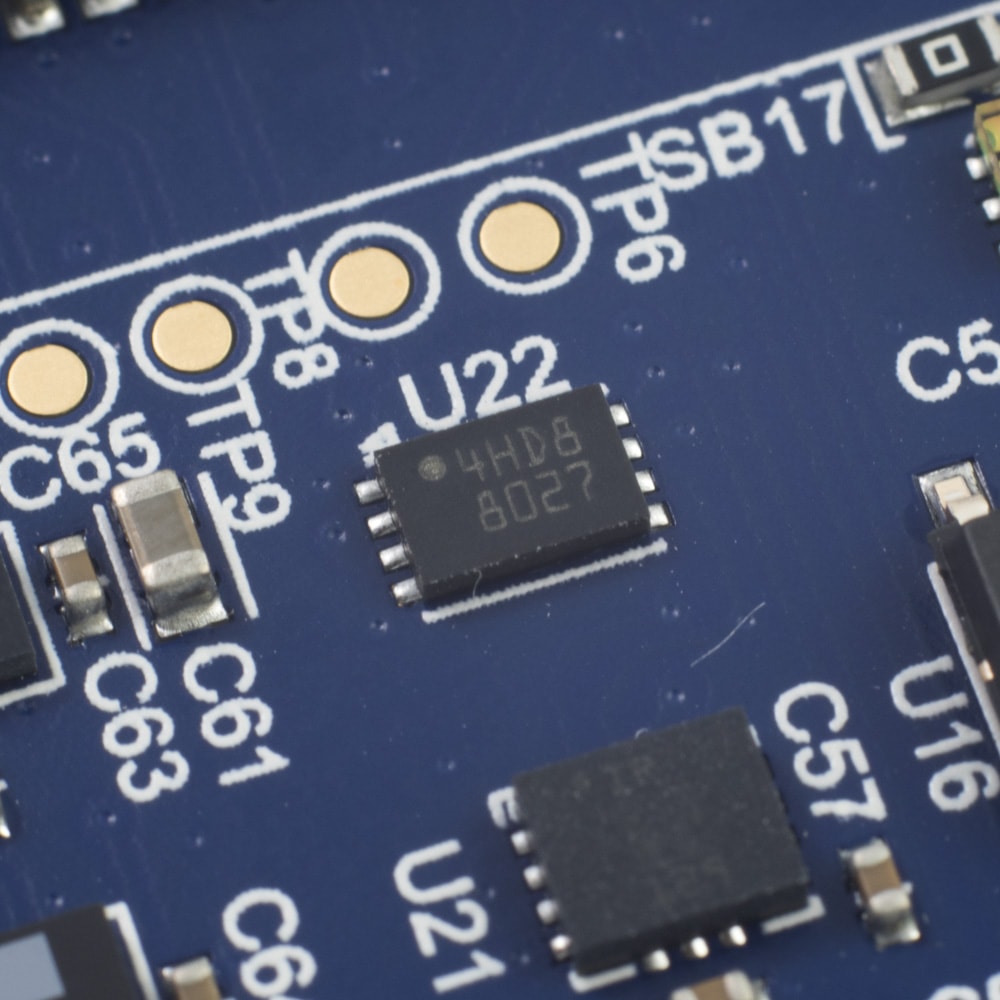
There is also an EEPROM over I2C with a capacity of 256 kbit.
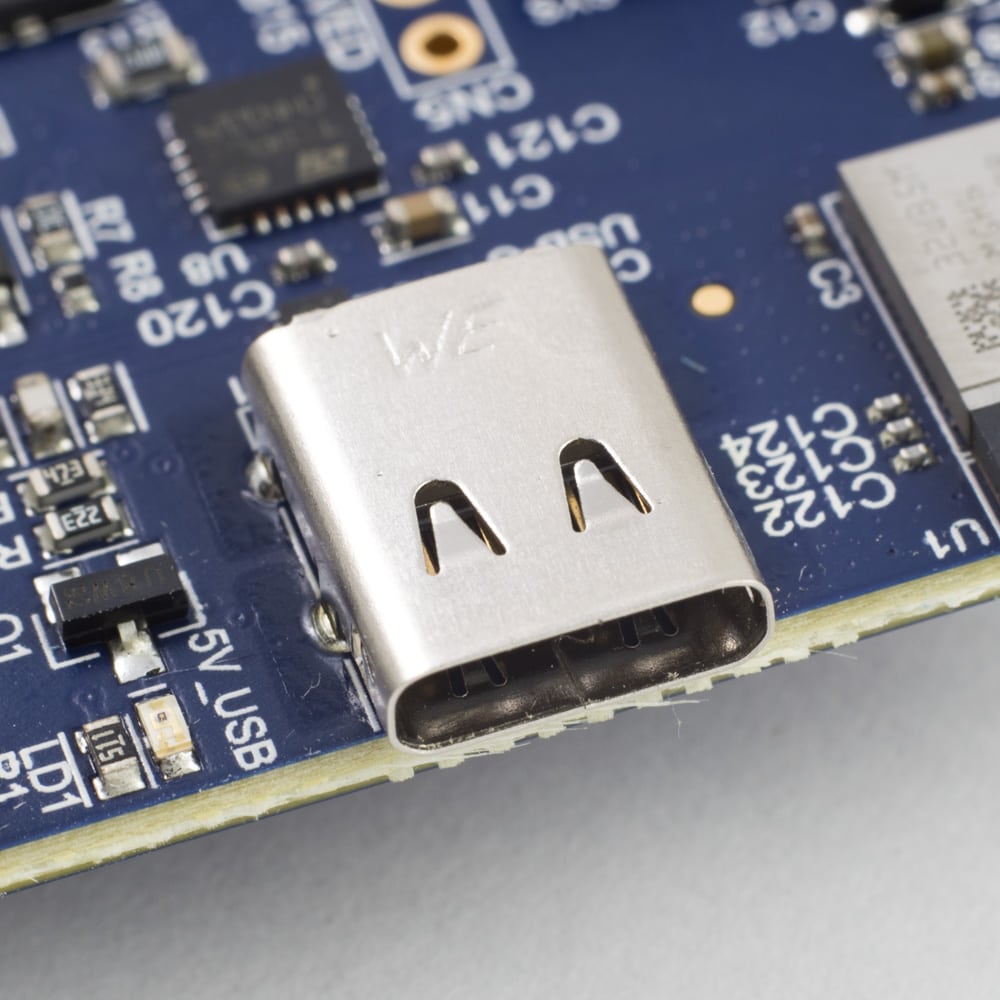
In addition to the standard microUSB connector through which we program and debug the microcontroller, there is also space for USB-C.
This connector allows testing USB-C Power Delivery applications. STM32U5 chips are equipped with a PD controller. On the Discovery board, we can create a Sink and Source device up to 2.5 W.
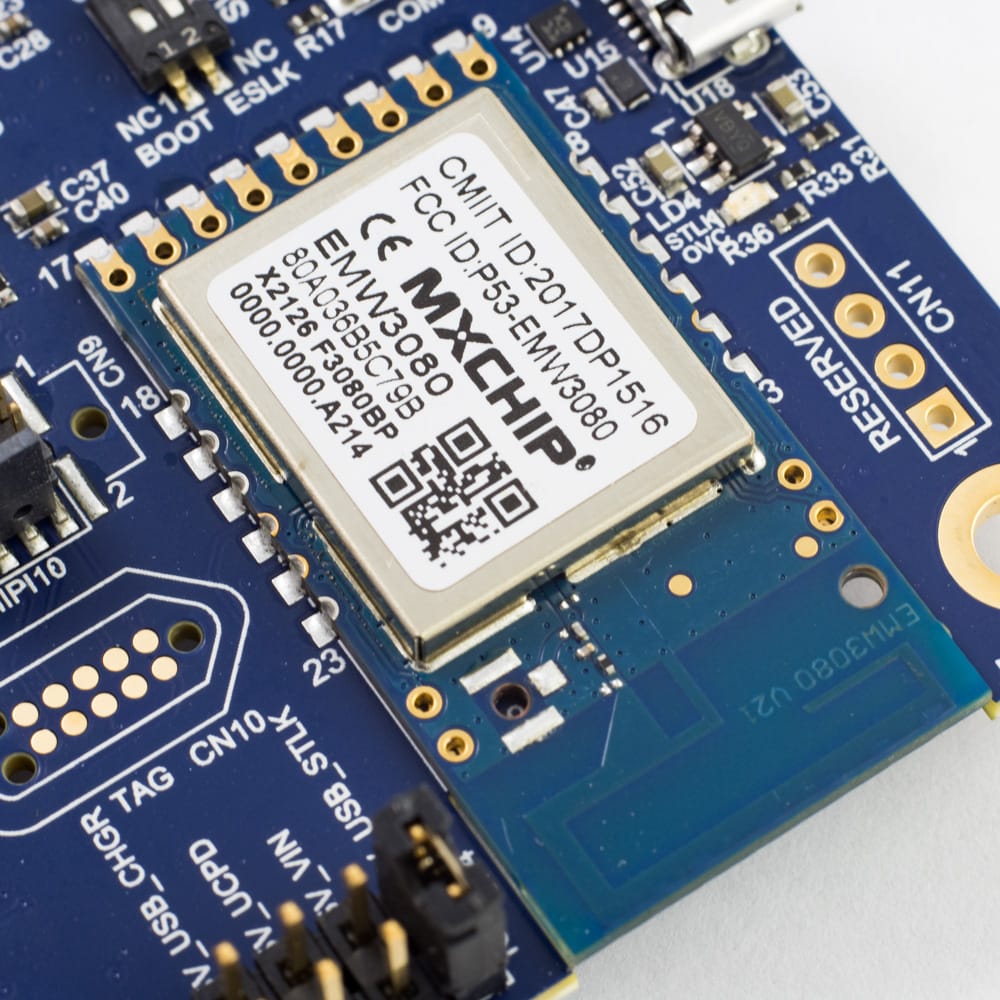
Another available module is WiFi. A chip from MXCHIP was used. Communication in the 802.11 b/g/n standard.
The Discovery B-U585I-IOT02A has plenty of MEMS sensors. Really a lot! This is something I want to test in the near future. What do we get?
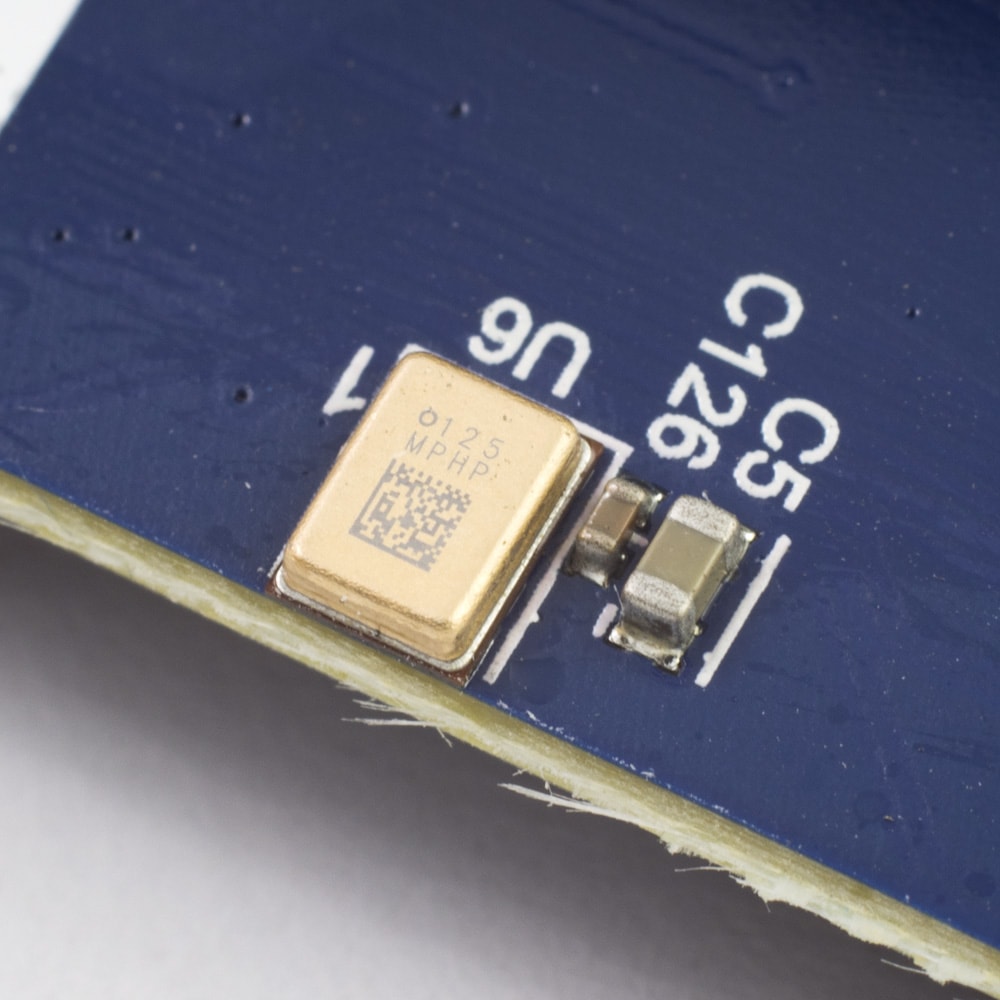
2 omnidirectional MP34DT01 microphones from ST. These microphones are interestingly designed because sound enters through a small hole “under” the microphone on the other side of the PCB. The microphones are connected via the MDF interface.
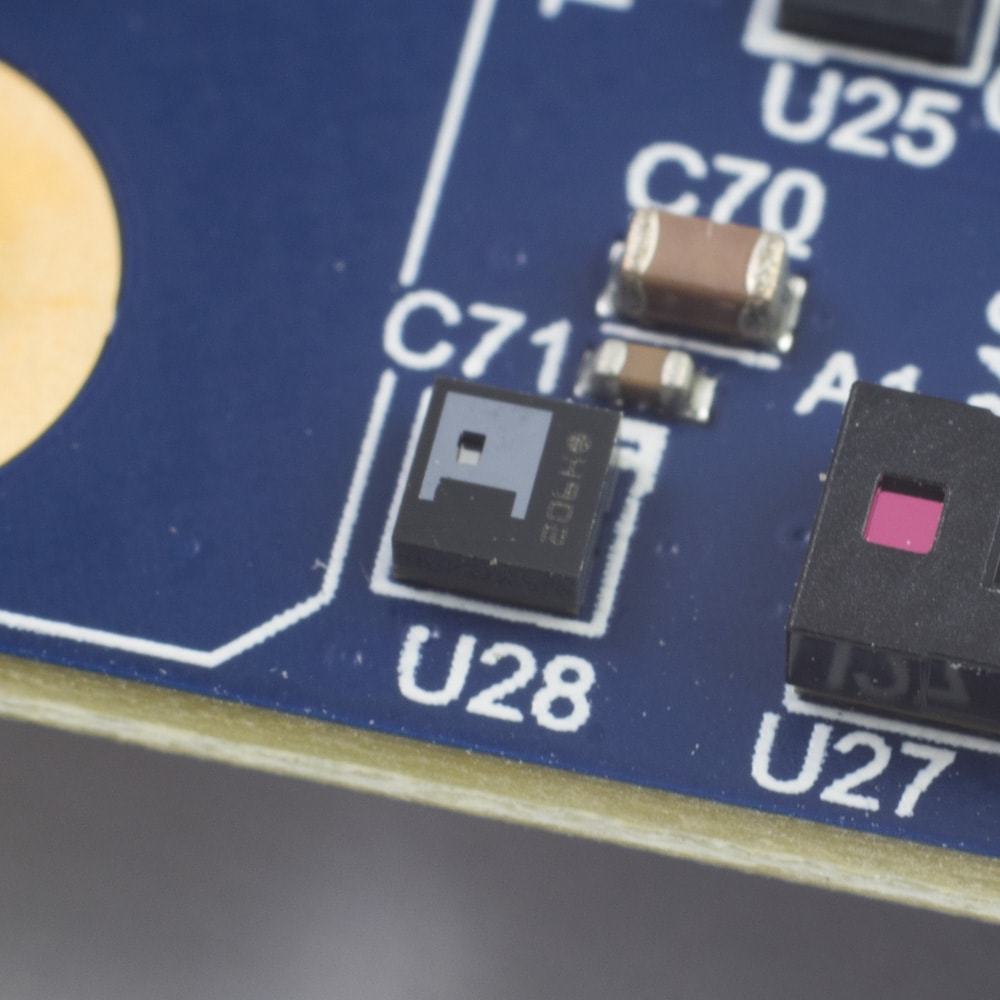
Temperature and humidity sensor HTS221 on the I2C interface.
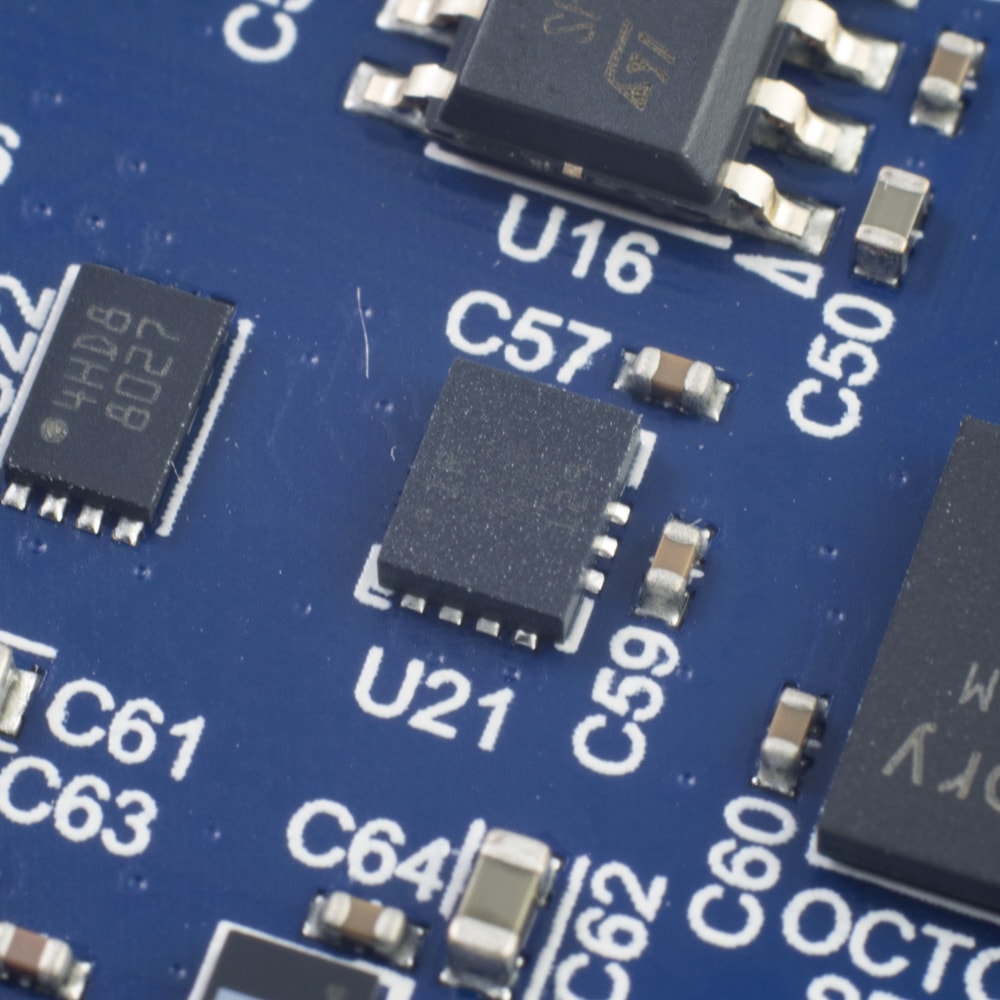
Ultra-high-performance 3-axis accelerometer and gyroscope ISM330DHCX on the I2C interface.
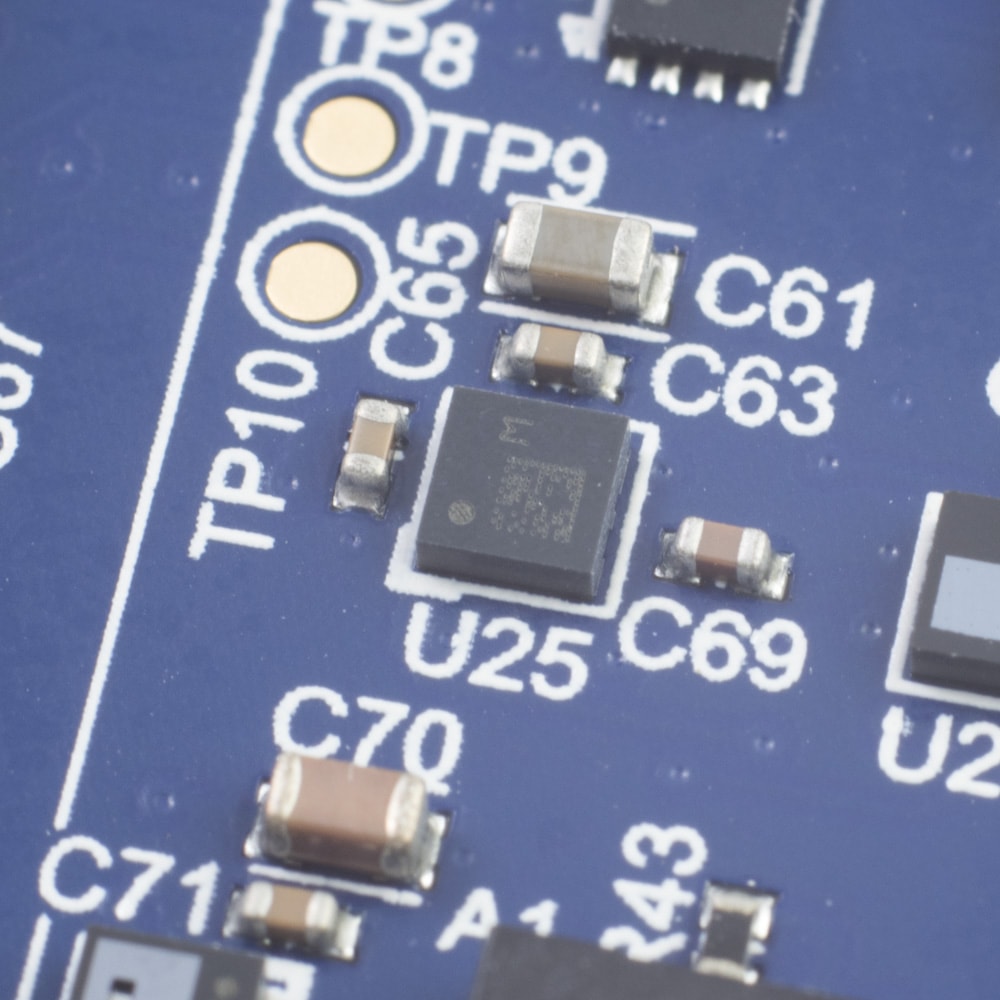
Ultra-high-performance 3-axis IIS2MDCTR magnetometer on the I2C interface.
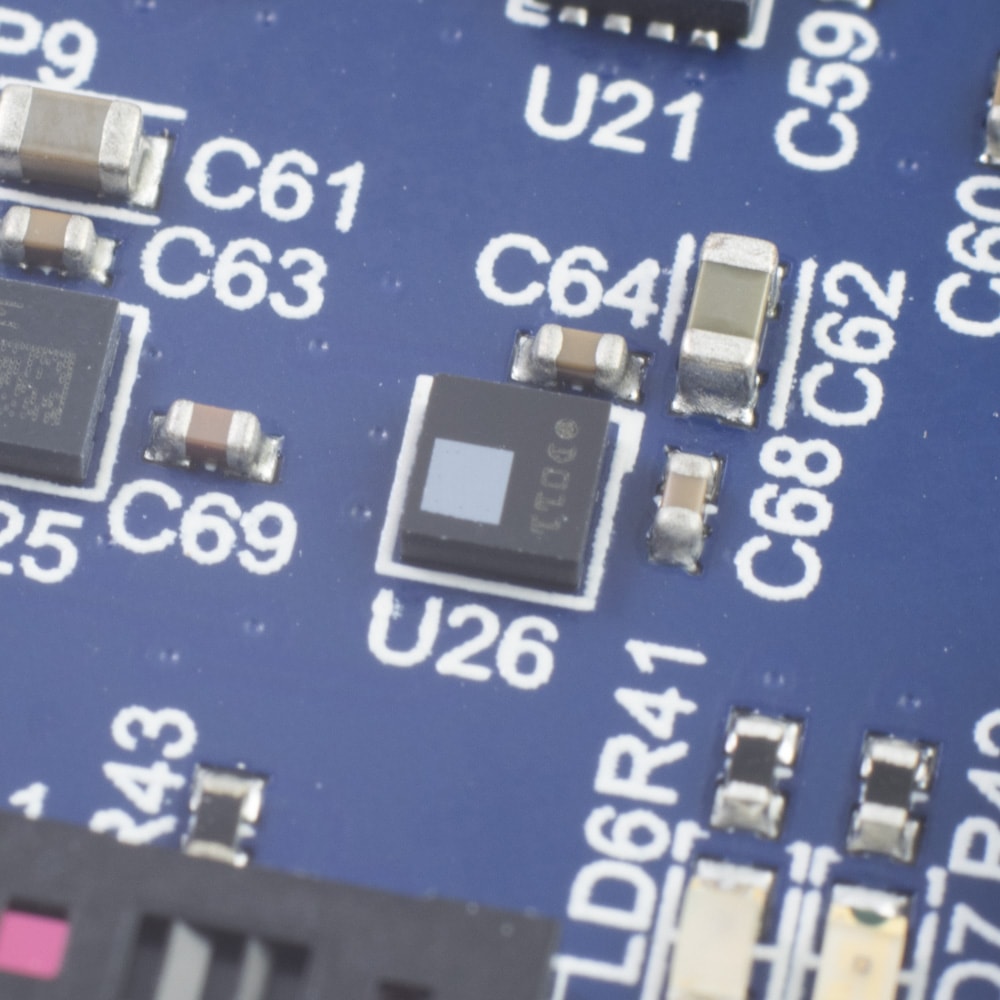
LPS22HB barometer with a range of 260–1260 hPa on the I2C interface.
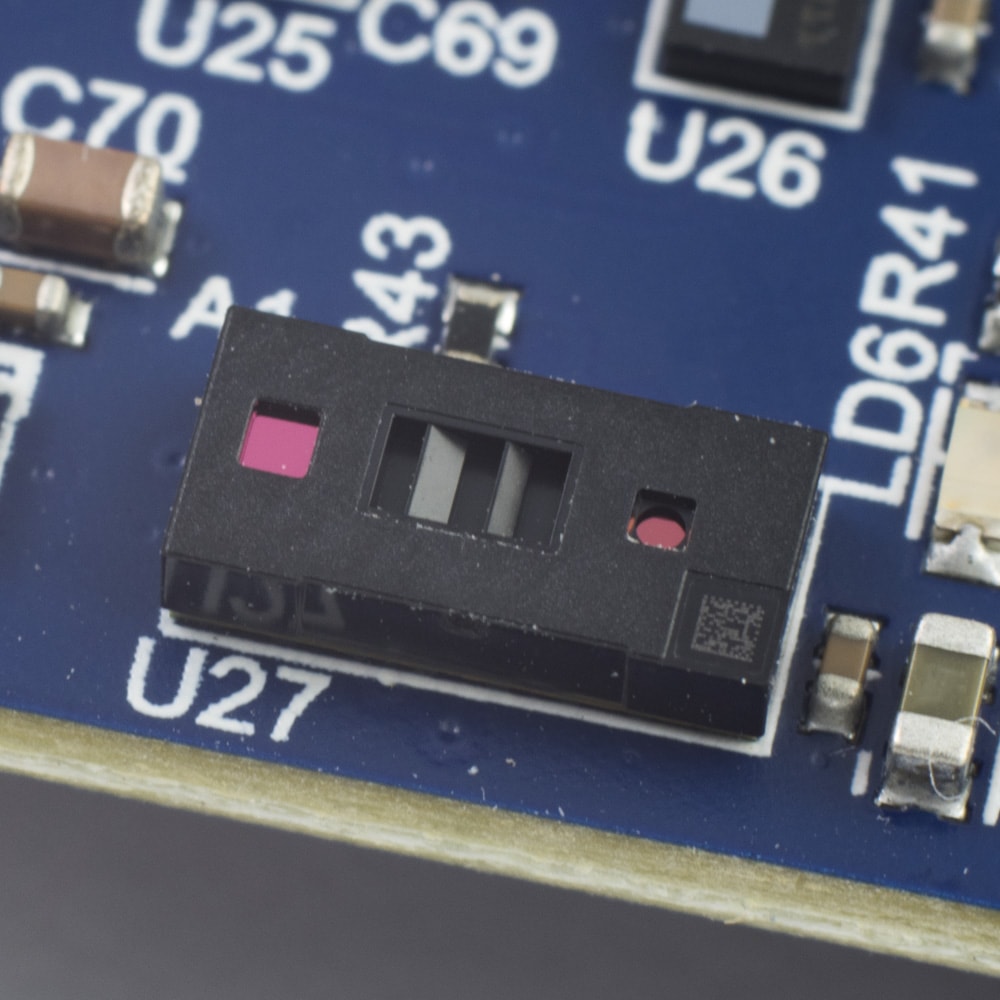
Laser-based ToF distance and gesture sensor VL53L5 on the I2C interface.
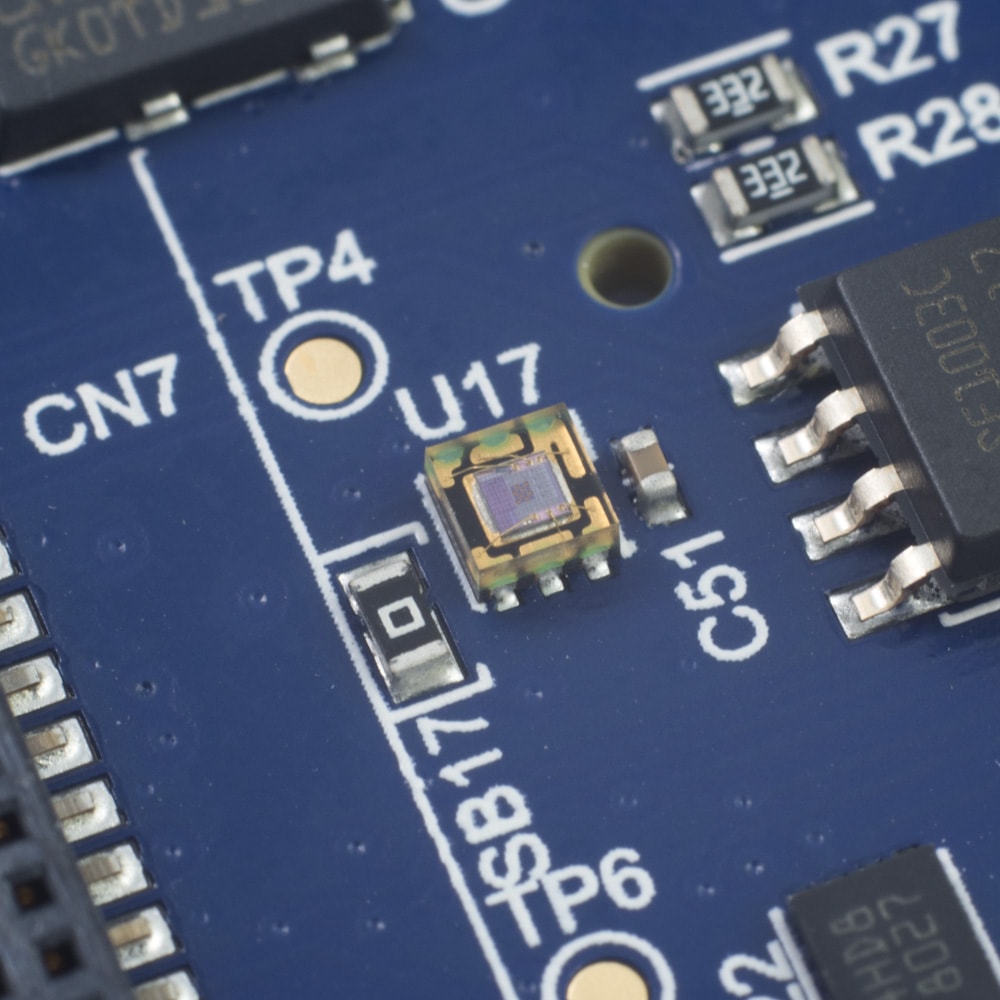
Ambient light sensor VEML6030 on the I2C interface.
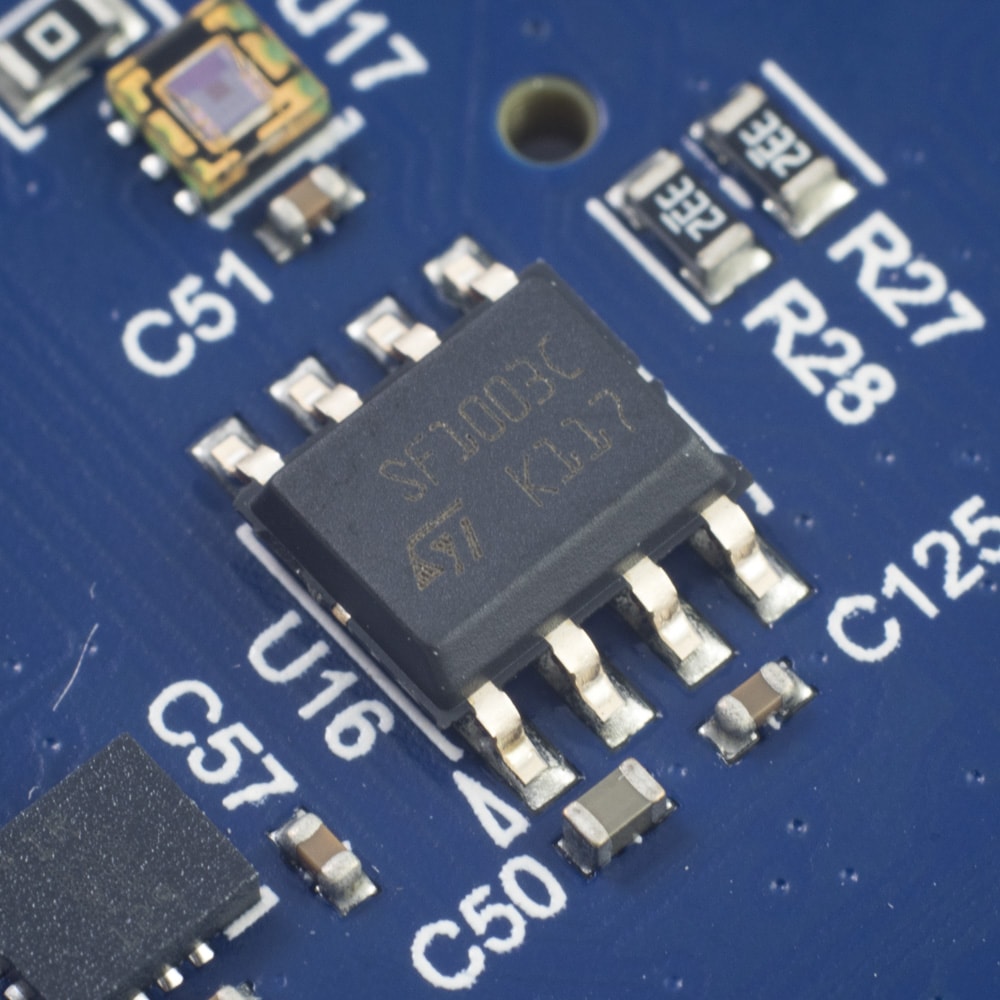
Authentication and security chip STSAFE-A110 on the I2C interface.
Summary
The STM32U5 family looks very promising. I will definitely focus more on it and test the chips found on the Discovery platform.
The Discovery B-U585I-IOT02A board, as well as the Nucleo with the STM32U5 chip, are available in my store. By buying from me, you support the development of the blog.
Podobne artykuły



0 Comments